

Retrain Posture & Performance
〰️
Nervous System Regulation
〰️
Reset Muscle Tension
〰️
Relieve Pain
〰️
Retrain Posture & Performance 〰️ Nervous System Regulation 〰️ Reset Muscle Tension 〰️ Relieve Pain 〰️
Clinical Somatic Exercise
1:1 Coaching
Transform pain, posture, and performance with neuromuscular education self-care exercises.
Empowering People to develop a resilient, flexible nervous system with body-based somatic education
As a Somatic Movement Educator my 1:1 Coaching Sessions teach clients gentle, effective exercises and mind-body techniques to reset the nervous system and return the body to a neutral state of natural movement.
My clients are skillfully guided through a series of exercises that work deeply to highlight areas with muscle dysfunction otherwise known as Sensory Motor Amnesia. During the sessions, clients take an active versus passive role facilitating lasting change at the level of the motor cortex.
This somatic modality is called “Education” because the exercises teach clients how to harness the down-regulation skills that they already possess— so that they can use these tools in real life situations, on a day to day basis.
Clinical Somatic Education by Thomas Hanna is an innovative, groundbreaking method for dealing with chronic pain, common musculoskeletal conditions and movement issues.
Heal your body. Gain autonomy. Reclaim your life!
Much Love, Alyson


Is Clinical Somatic Education for me?
Clinical Somatics serves diverse populations of all ages and fitness levels
If you have chronic, lingering pain and spent thousands of dollars on osteopathy, physiotherapy, masso-therapy, acupuncture BUT the mystery aches persist such as:
Menopausal women age 30 plus with body wide arthralgia
Dancers, performers, athletes, bodybuilders
Yoga and Pilates practitioners
Individuals in need of rehabilitation from illness, surgery, injury
Stuck in postural imbalances and distortions due to Fight-Flight-Freeze Reflexes
… then Clinical Somatics Exercise Coaching is for you.

Can I combine Clinical Somatics with other therapies?
CSE integrates with other movement practices, therapies, and coaching modalities that you are currently undergoing
Clinical Somatics Instructors may recommend:
Advice from a medical professional to pursue a diagnosis and treatment for medical conditions and prescription of medications
Talk therapy to address pain management such as counselling, psychotherapy, life coaching and somatic inquiry

Do you fit into any of these categories?
Autoimmune conditions
Bursitis
Carpal tunnel syndrome
Disc degeneration
Fascial adhesions
Forward head posture
Frozen shoulder
Functional leg length discrepancy
Headache
Hyperlordosis
Idiopathic scoliosis
Iliopsoas syndrome
Joint pain
Limited mobility
Muscle soreness and pain
Muscle spasms and cramps
Neurodegenerative conditions
Osteoarthritis
Osteoporosis
Pelvic rotation
Pelvic torsion
Plantar fasciitis
Piriformis syndrome
Postural kyphosis
Sciatica
Sacroiliac joint dysfunction
Shallow breathing
Snapping hip syndrome
Stress and trauma
Stroke recovery
Temporomandibular joint disorders
Tendinopathies
Thoracic outlet syndrome
Whiplash
How do you benefit do from Clinical Somatic Education?
Retrain Your Muscle Memory— This is called Sensory Motor Amnesia
Clinical Somatics is a highly effective method that retrains muscle memory to rewire the learned habitual muscular patterns that keep you stuck in incorrectly shaped posture and movement that causes chronic pain.
Clinical Somatic Exercises work directly with the nervous system to get to the ROOT SOURCE of your pain to release chronic muscular tension and improve posture with conscious movement.
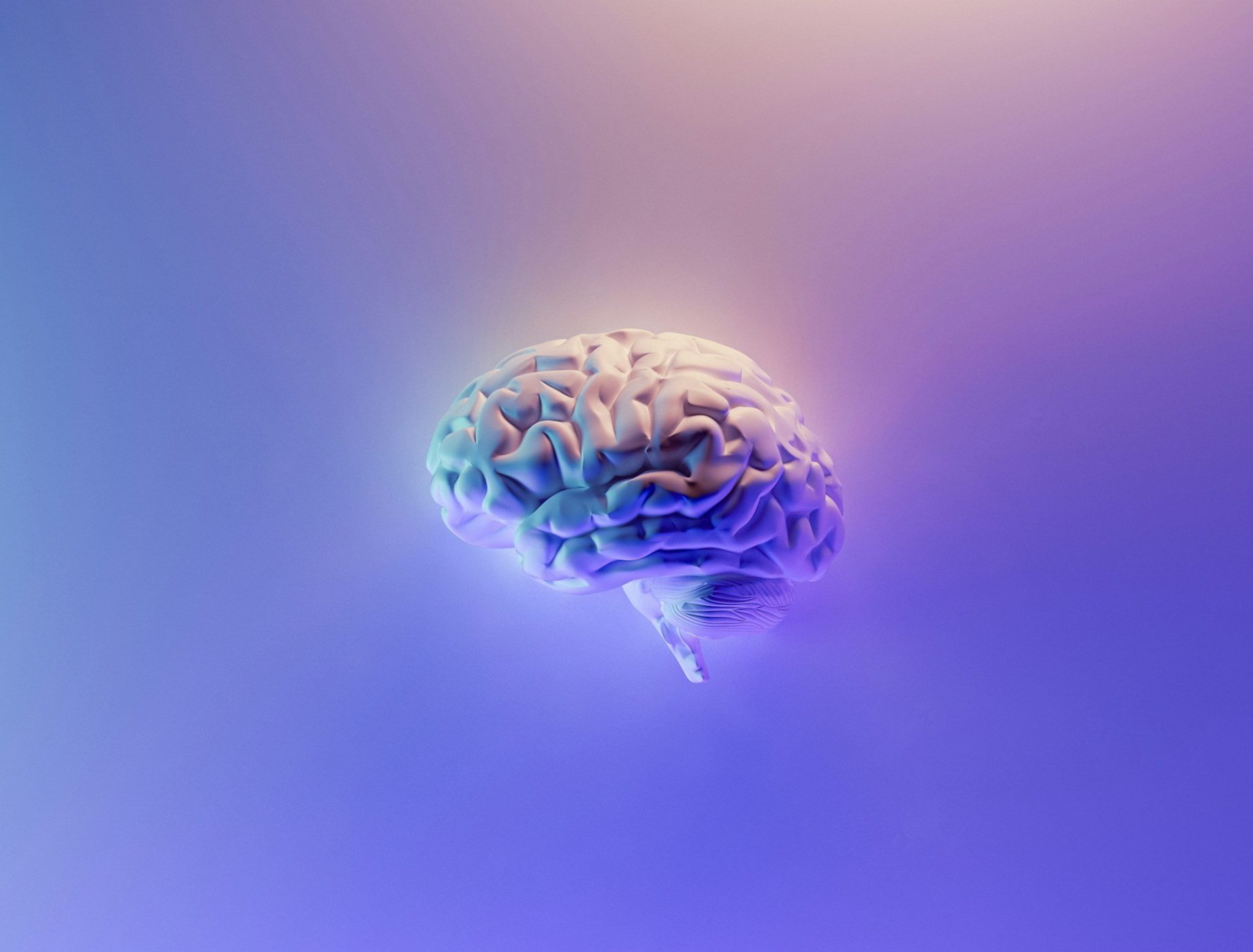
It is the brain— not muscles, that control muscle tightness.
It is only the brain— not muscles that can return your muscles to a normal resting base level of tension which will restore optimal function.

What is the intention of Clinical Somatic Exercises?
Nervous system re-education

Clinical Somatic Exercises retrain the nervous system to release involuntary muscle tension and relieve pain
Specific exercises work to heal musculoskeletal pathologies by retraining habitual postural and movements patterns that damage your body.
Pain can be caused by unconscious ways you move your body daily
Clinical Somatic Coaching works to change the way you stand, walk, and move through your day so that you can get out of pain, avoid doing more damage to your body– and get on with your life.

How many 1:1 Coaching Sessions will I need?
-
Essential Bundle 6-Week Series $630
Essential Bundle total value $780
The Essential Bundle teaches clients the essential building blocks of Clinical Somatics Exercises. After completing this 6-Week Program you’re ready to progress to the Evolution Bundle to continue advancing your practice.
PAYMENT OPTIONS
Option A) One-time payment of $630
Option B) Two-instalments:
1st Instalment = $130 prior to Session #1
2nd Instalment = $500 prior to Session #2
Option C) Three-Instalments:
1st Instalment = $130 prior to Session #1
2nd Instalment (7 days after Session 1) = $250 prior to Session #2
3rd Instalment (14 days after 2nd Instalment) = $250 prior to Session #4
Essential Bundle Bonus
Value $130
As a Free Bonus receive my comprehensive online course, Breathe Better + Core Restore Self-Myofascial Release for the Whole Body: ESSENTIALS 12-Day Program
Course material compliments the 1:1 Clinical Somatics Exercise Sessions
Lifetime access
Essential Bundle Extras
Your own personal account in my Yoga Somatics Online Studio where your digital files are housed (audio files, handouts, bonus course)
Comprehensive audio files of the exercises you learned in the private sessions to practice along with my voice
Handouts to with descriptions of the exercises you’ve learned
Self-Practice Timetable
Personal Progress Journalling Pages
Handouts can be downloaded
Lifetime access
-
Evolution Trio Pack $345
The Evolution Trio Pack includes unlimited yearly, monthly, booking at the Trio rate.
Why returning clients book the Evolution Trio Pack, again and again:
1) In need of a Refresher: Evolution of the work we’ve done on a specific physical issue in order to revisit exercises and gain clarity, learn new exercises in relation to the physical issue treated in the Essential Bundle.
2) Explore Other Issues: Once you’ve done one Trio Pack you can return for a new assessment and treatment with a new physical focus.
3) Cultivate a Regular Practice: Dedicated clients seeking motivation to develop and deepen their Clinical Somatics self-care practice.
Evolution Trio Pack
10-mins Consultation or Email Correspondence so that I can prepare for your new sessions = Free
Three private sessions over three to four consecutive weeks
Payment: Three 60-mins Sessions x $115 = $345
Sessions include Somatic Check-In / Check-Out Assessment: 5-mins to 10-mins + Practice: 50-mins
PAYMENT OPTIONS
Option A) One-time payment $345
Due prior to booking Session 1
Option B) Two Instalments of $172.50
1st Instalment prior to Session 1
2nd Instalment (7 days later) prior to Session 2
Evolution Trio Pack Extras
All materials below are updated with information from your new Evolution Bundle Sessions.
A personal account in my Yoga Somatics Online Studio where your digital files are housed
Comprehensive audio files of the exercises to practice along with my voice
Handouts with descriptions of the exercises you’ve learned
Self-Practice Timetable
Personal Progress Journalling Pages
Lifetime access to material
-
Drop-In Session $125
Drop-In’s serve a variety of personal needs and are available for the following clients.
First-Time Clients: Curious clients have the opportunity to experience a Clinical Somatics Session.
New Clients choose the Drop-In for the following:
10-mins Consultation = Free
Book One 75-mins Session
Session includes Assessment 15-mins + Practice 60-mins
Drop-In Bonuses
A personal account in my Yoga Somatics Online Studio where your digital files are housed
Comprehensive audio files of the exercises to practice along with my voice
Handouts with descriptions of the exercises you’ve learned
Self-Practice Timetable
Personal Progress Journalling Pages
Lifetime access to material
Clients who completed the Essential Bundle or the Evolution Pack choose Drop-In’s for the following:
In need of a Refresher from the previous physical issue
Explore a new Physical Issues
Cultivate a Regular Practice
New audio files and pdfs of exercises from the Drop-In Sessions are immediately added to the clients private portal library
Put your Self-Care into your own hands
What is the purpose of a Clinical Somatic Educator?
A Clinical Somatic Educator’s role is to empower students to assess and improve their musculoskeletal functioning
Muscle and soft tissue function is achieved through:
Assessment of posture and movement
Exploration of learned muscular patterns through movement and proprioceptive exercises
Retraining of learned muscular patterns using pandiculation, integrative movements, and proprioceptive exercises
Verbal communication from the Instructor; hands-on adjustments and visual demonstration are used sparingly to provide client with best learning results

Corrective exercises return your body to optimal postural functioning
Clinical Somatic Educators work deeply with clients to retrain muscle memory and release chronic tension patterns.
Thomas Hanna, founder of Clinical Somatics, recognized that physical and emotional trauma— life experience, cause humans to get “stuck” in three main Postural Reflexes.
The Three Reflexes are powerful responses that function below the conscious level
Together we will work to rewire these habitual responses locked in your body:
Green Light Reflex: Fight-Flight
Red Light Reflex: Fear-Freeze
Trauma Reflex: Avoidance-Cringe
What to expect from a Clinical Somatic Exercise Session?
Highly effective, integrative movements for the core and extremities
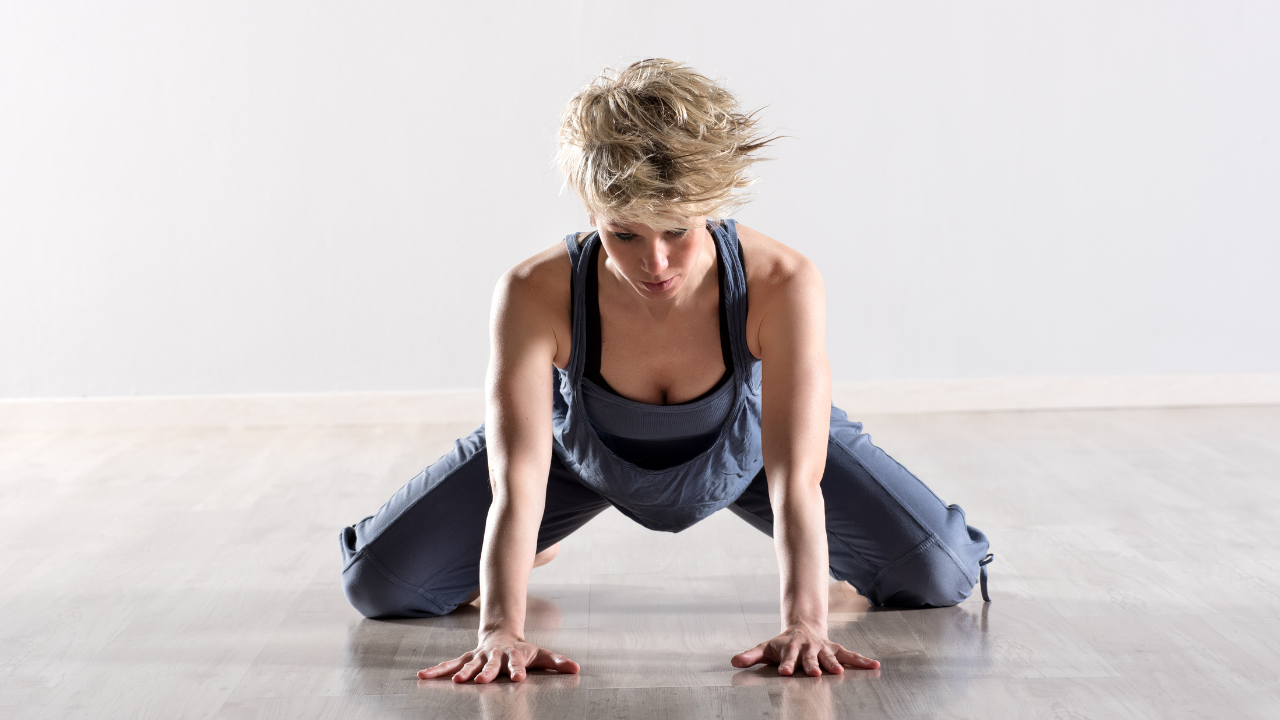
Clinical Somatics Exercises involve a series of gentle movements suitable for all ages and physical abilities.
Exercises are done on a floor, exercise mat, or rehab table. If the floor or lying down is not accessible, exercises are done seated on a chair.
Exercises are performed extremely slowly, with precision and require 100% mental focus.
Breath techniques encourage nervous system regulation and teach the client how to breathe and move simultaneously.
No hands-on assistance or visual demonstration by the Instructor ensures clients can independently execute exercises.
Exercises are performed with eyes closed to limit sensory information the brain takes in—to focus completely on sensory feedback from muscles.

How is Clinical Somatic Education different from other pain relief modalities?
Clinical Somatics is Active
PASSIVE modalities such as massage, where the client is relaxed as a practitioner manipulates their body provides short term relief but does not get to the root source of bodily dysfunction.
The key difference why CSE is so effective in creating lasting change in muscle function is that it uses ACTIVE engagement. Active, conscious movement allows learning to take place in the nervous system and brain.
Get to the Root Source of your Pain with Clinical Somatics
Animals PANDICULATE after a nap! This instinctive active stretch resets muscle tension in preparation for movement.

So what’s the SECRET SAUCE ?
Clinical Somatic Exercises are Pandiculations
No other method of pain relief, physical or holistic therapies use this technique.
Clinical Somatic Exercises are Pandicualtions with an ACTIVE contraction of muscles followed by a SLOW and ACTIVE RELEASE.
Pandiculation is not “stretching”. Stretching is passive.
Pandiculation is active.
Pandiculation results in lasting release of involuntary muscular contraction because it retrains your brain by resetting the gamma feedback loop in your muscles to a normal resting level of tension